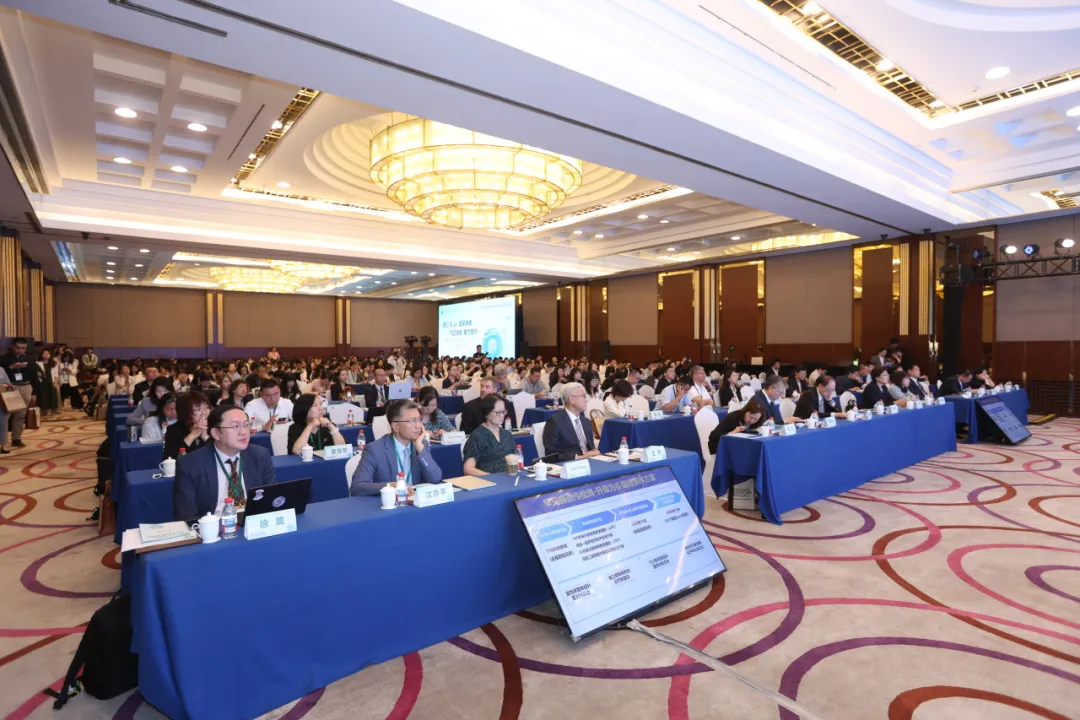
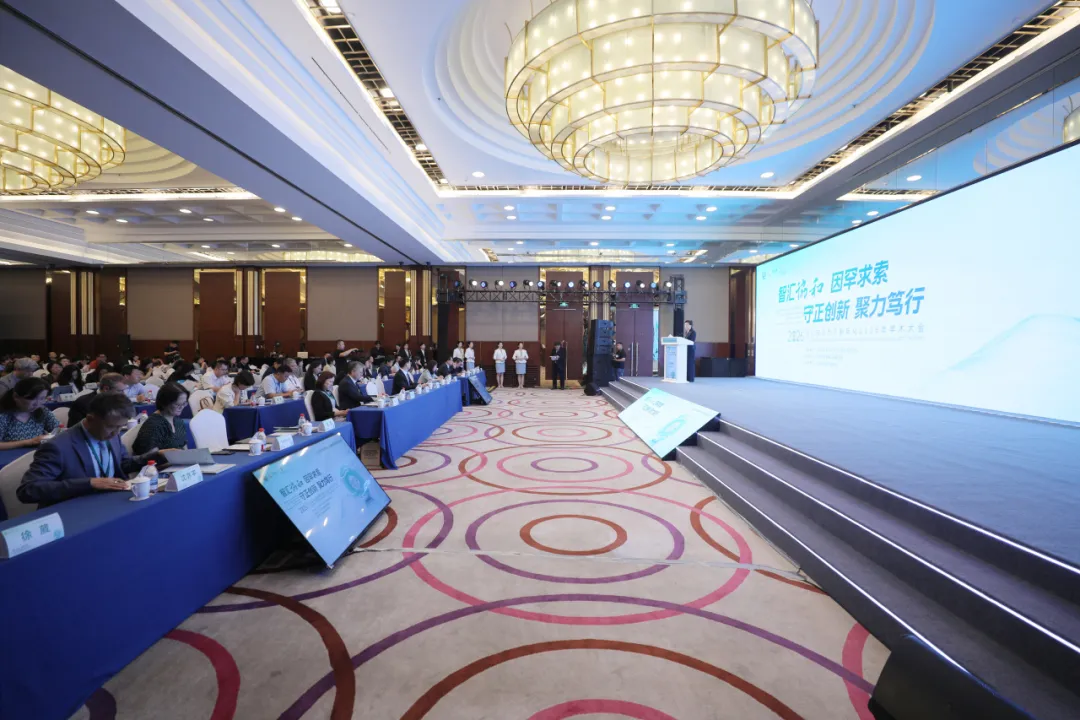
On September 11, the 2026 Conference on Translational Innovations in Rare Disease Diagnosis and Treatment was held. As part of the PUMCH 105th Anniversary Academic Week, the conference brought together experts to engage in in-depth discussions on precision diagnosis and treatment, basic research, technological innovation, clinical translation, AI empowerment, and maternal and child healthcare for rare diseases. The conference officially launched the Capital Rare Disease Research Initiative and the 2026–2030 PUMCH Public Welfare Project for Rare Disease Service Improvement (UPWARDS), alongside the release of several milestone achievements. The event established a premier collaborative innovation platform integrating government, industry, academia, research, and clinical application, injecting strong momentum into China's rare disease healthcare, research, and translational endeavors.
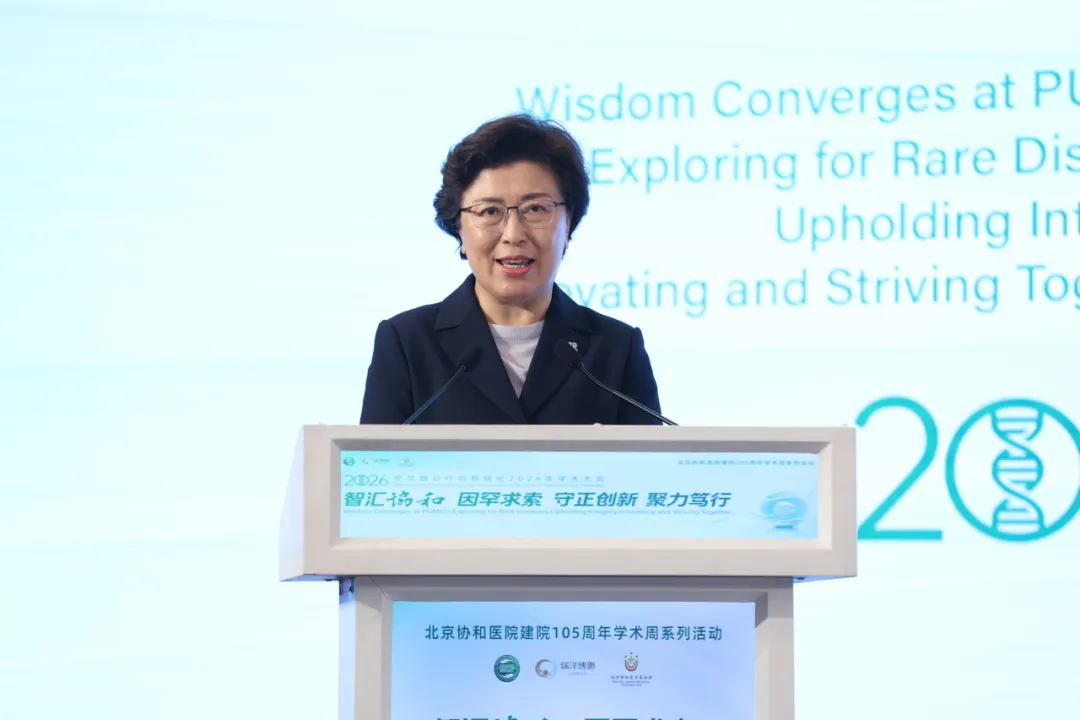
▲PUMCH President Zhang Shuyang delivered welcome remarks
Academician Ji Xunming, President of the Chinese Academy of Medical Sciences and Peking Union Medical College (CAMS & PUMC); senior leaders from the Department of Medical Administration of the National Health Commission (NHC); Wang Yu, Deputy Director of the Beijing Municipal Health Commission; and Li Linkang, Executive Director of the China Alliance for Rare Diseases, attended the conference and delivered remarks. The experts highlighted the conference’s pivotal role and lauded China’s progress across clinical care, research, and patient support. Looking ahead, they outlined key strategic priorities: implementing national policies, upgrading industrial and specialty frameworks, accelerating technological innovation and strengthening talent development.
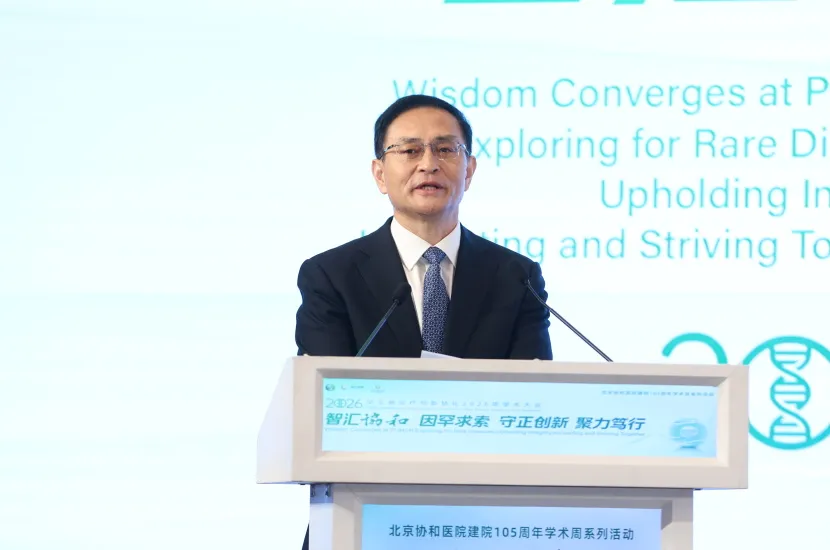
▲Address by Academician Ji Xunming, President of CAMS & PUMC
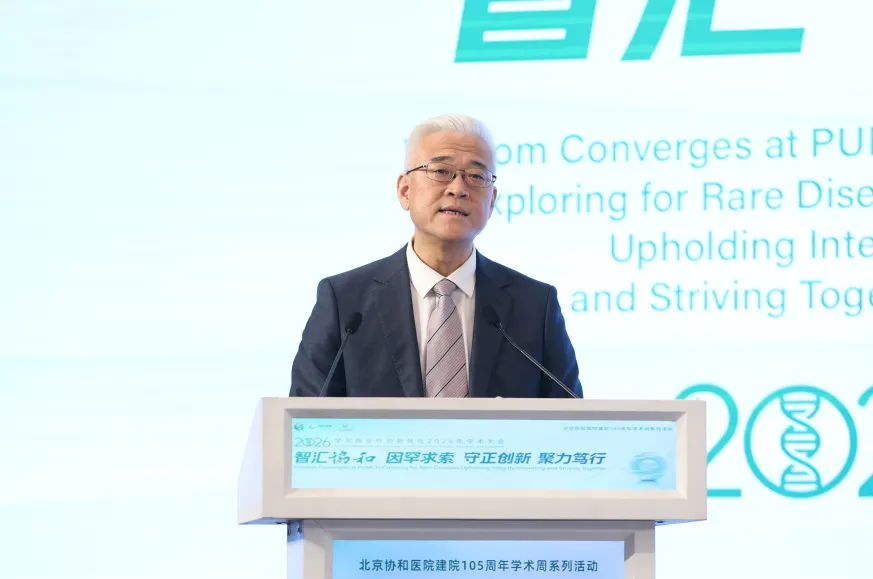
▲Address by Wang Yu, Deputy Director of the Beijing Municipal Health Commission
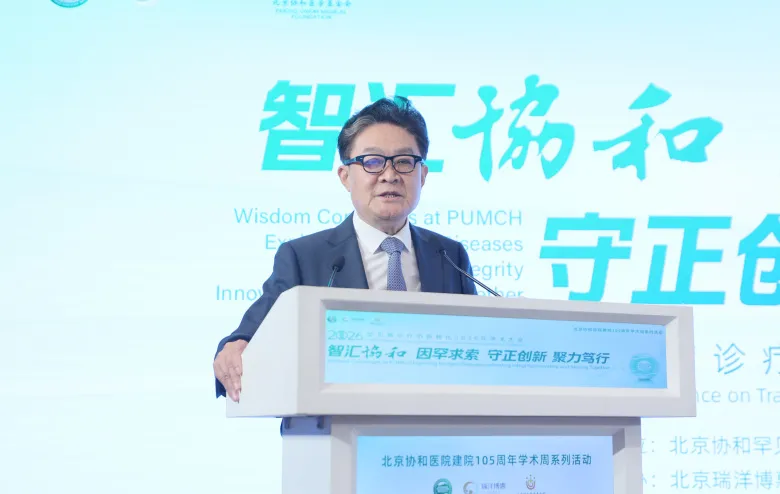
▲Address by Li Linkang, Executive Director of the China Alliance for Rare Diseases
The 2026–2030 PUMCH Public Welfare Project for Rare Disease Service Improvement (UPWARDS) is a national public welfare initiative dedicated to rare disease patients, spearheaded by PUMCH and the National Rare Disease Collaborative Network under the guidance of the National Health Commission (NHC), with funding from the Ministry of Finance's Central Special Lottery Public Welfare Fund. Supported by the "PUMCH-Genesis" AI large language model, UPWARDS enables an end-to-end care continuum spanning screening, diagnosis, follow-up, and patient assistance. It delivers free genetic testing and multidisciplinary team (MDT) consultations to patients, strengthens physician training, and builds a nationwide rare disease care ecosystem.
Serving as dual engines for scientific breakthrough and equitable access, the two initiatives accelerate bench-to-bedside translation while expanding clinical training and patient relief.
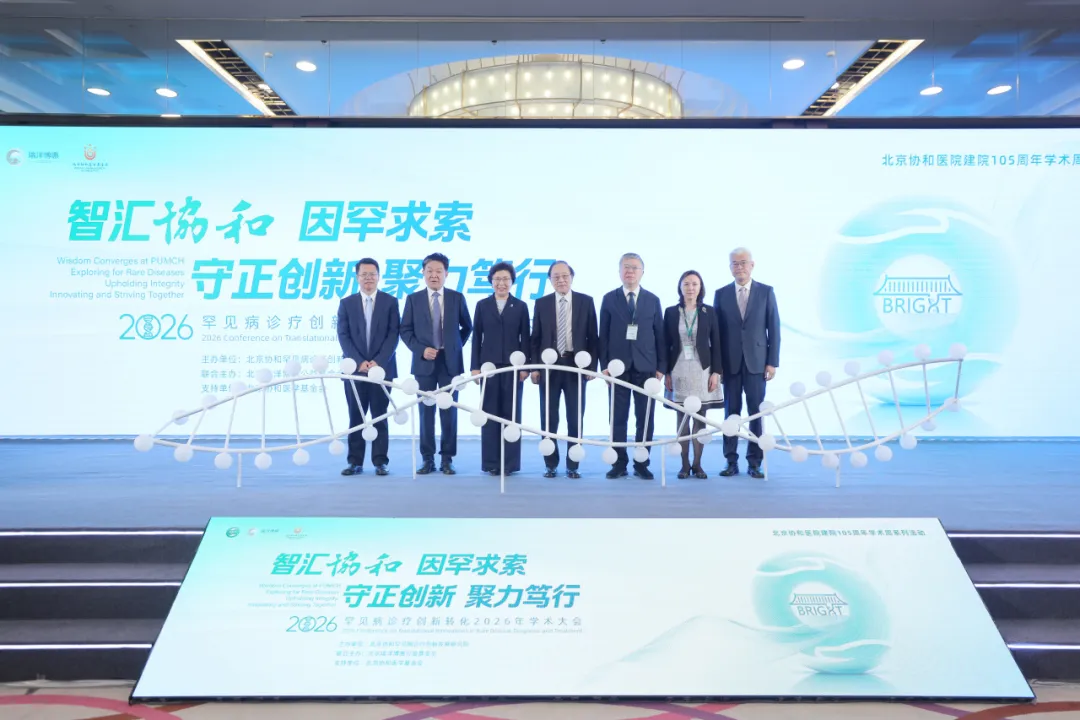
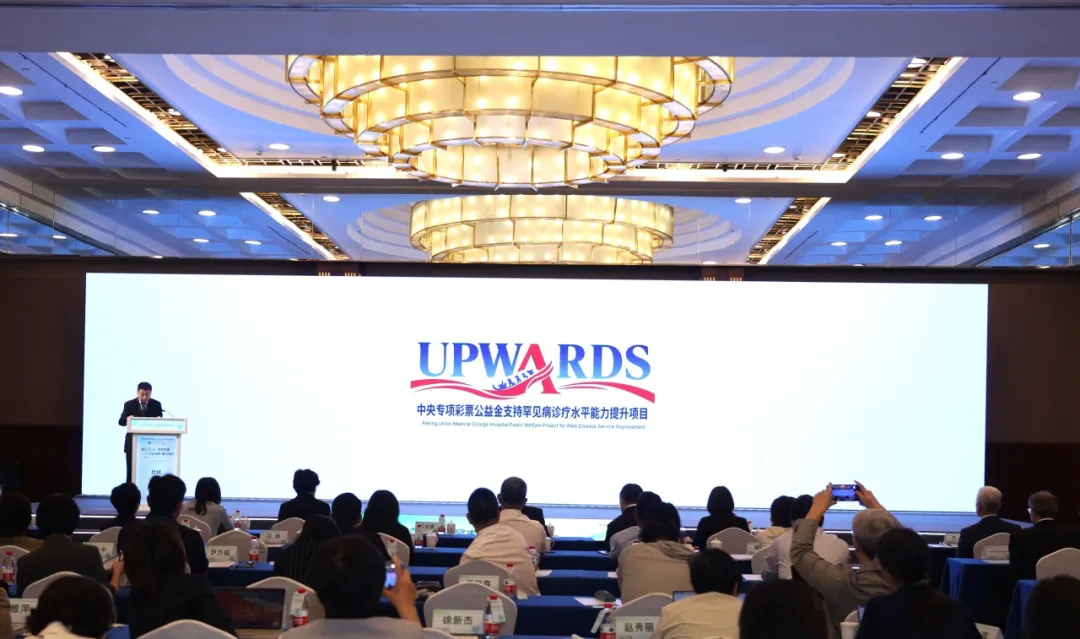
▲Launch Ceremony of UPWARDS
Academician Andrew Chi-Chih Yao, Turing Award winner and Dean of the Institute for Interdisciplinary Information Sciences at Tsinghua University, announced the establishment of the "PUMCH-Tsinghua Joint Laboratory for Medical Intelligence and Human-Machine Co-Evolution," marking a deeper interdisciplinary collaboration in medical AI. Associate Dean Xu Wei of the Institute for Interdisciplinary Information Sciences presented the clinical application of "human-machine co-evolution" at PUMCH. The system utilizes a Clinical Tutor Agent to train young physicians in diagnostic and clinical reasoning, alongside a Medical Record Quality Control Agent that provides real-time feedback on clinical logic and documentation. By continuously learning from physician interactions, feedback, and corrections, the system drives the concurrent advancement of both AI and human capabilities.
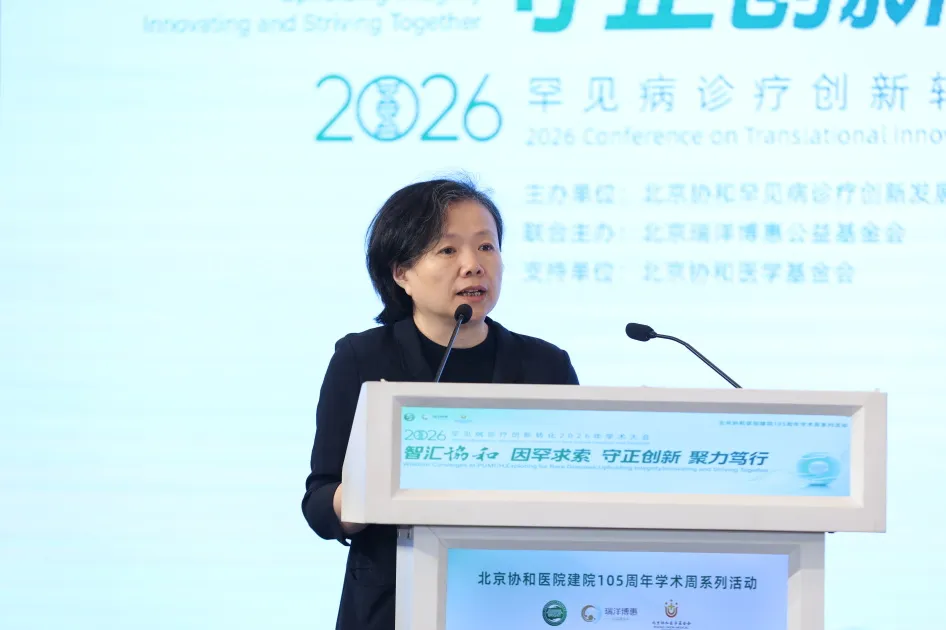
▲Keynote speech by Director Tian Zhuang
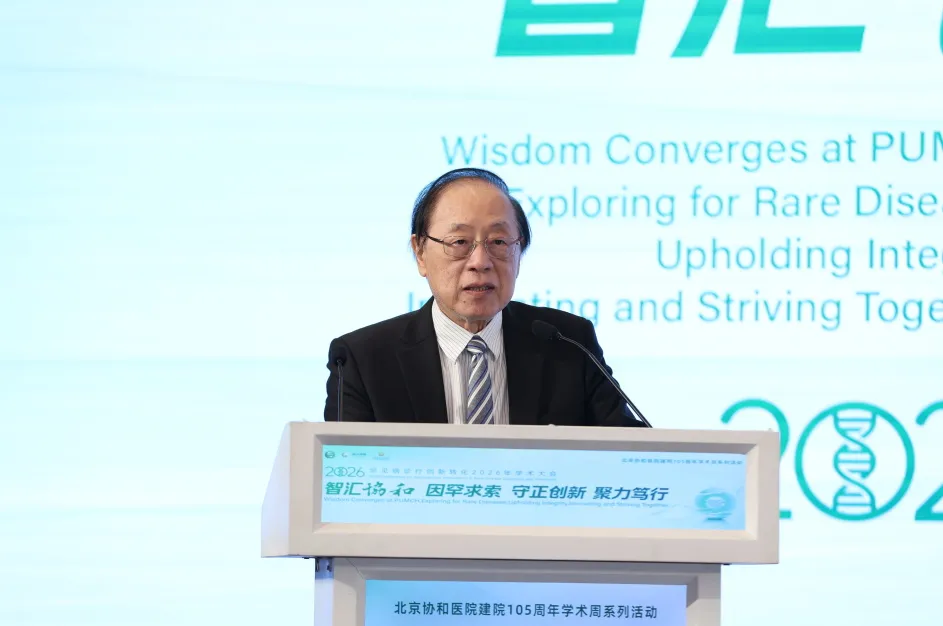
▲Keynote speech by Academician Andrew Chi-Chih Yao
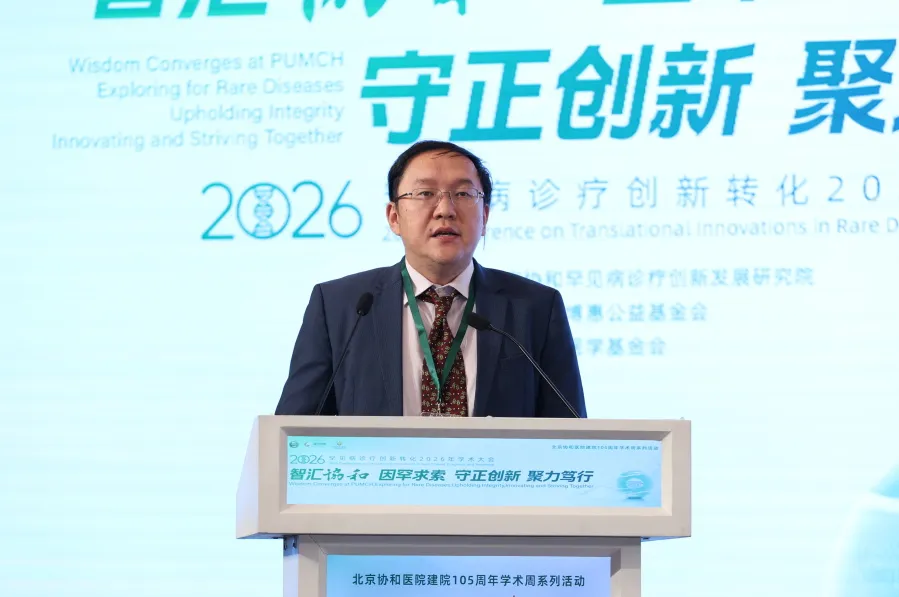
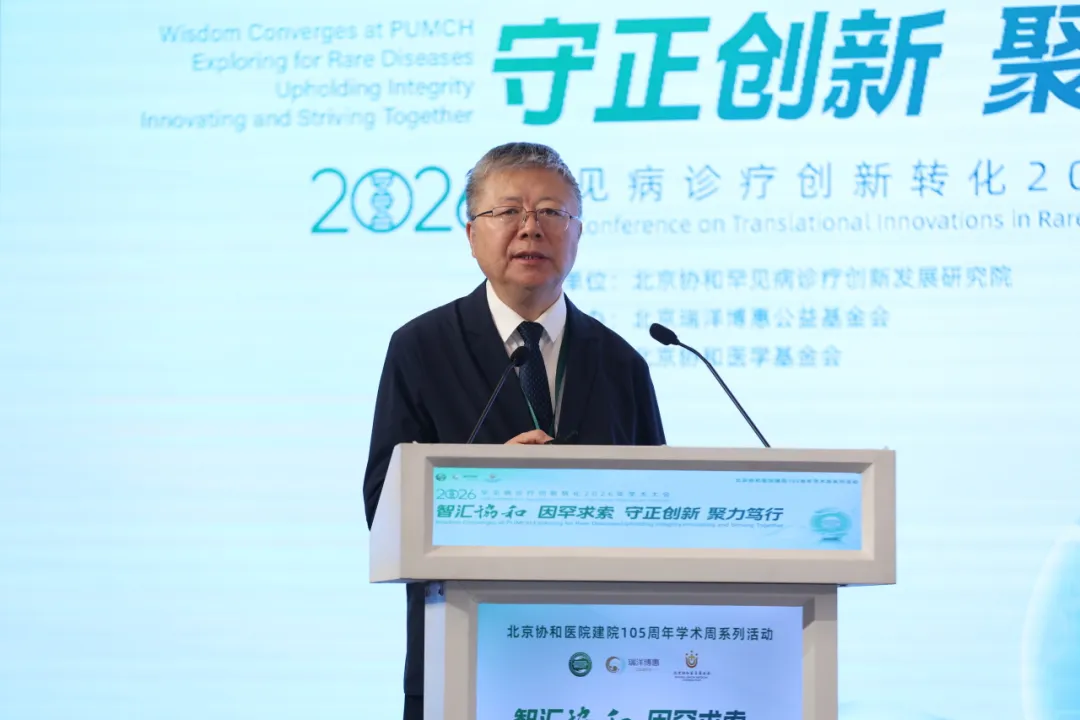
▲Keynote speech by Academician Li Xiaokun
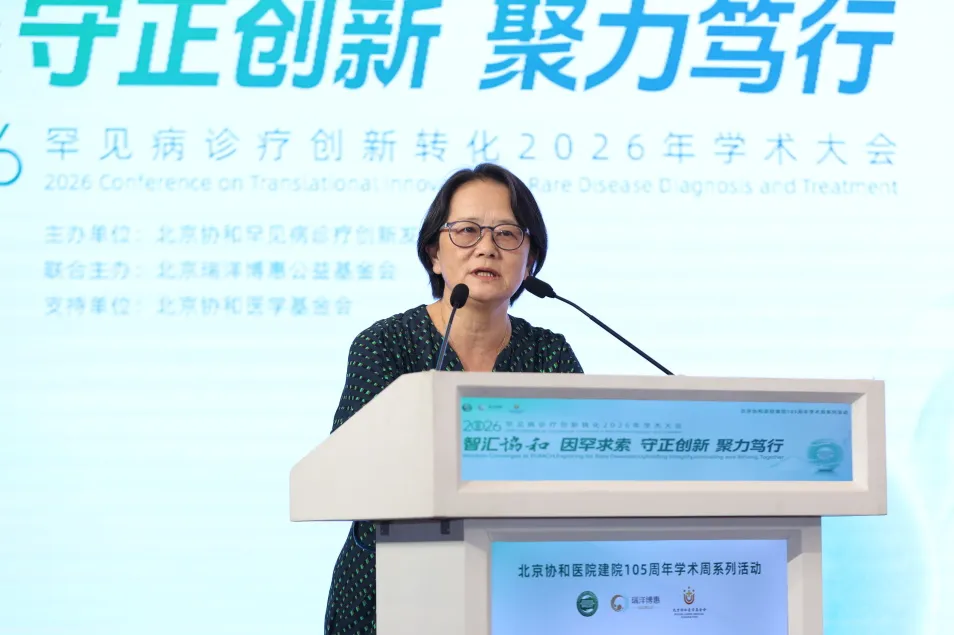
▲Keynote speech by Director Dong Tao
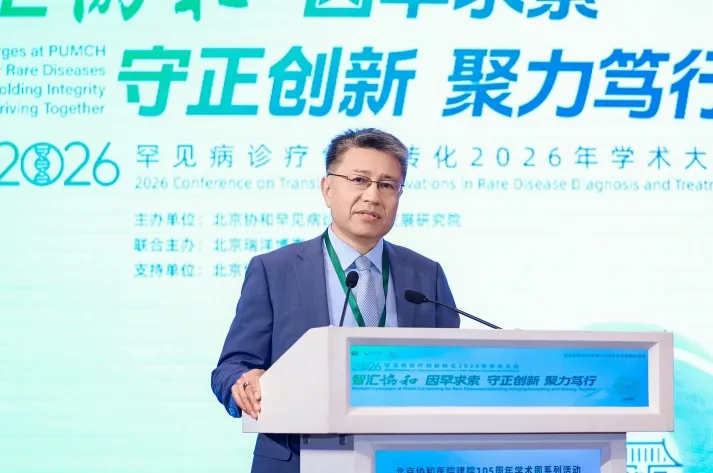
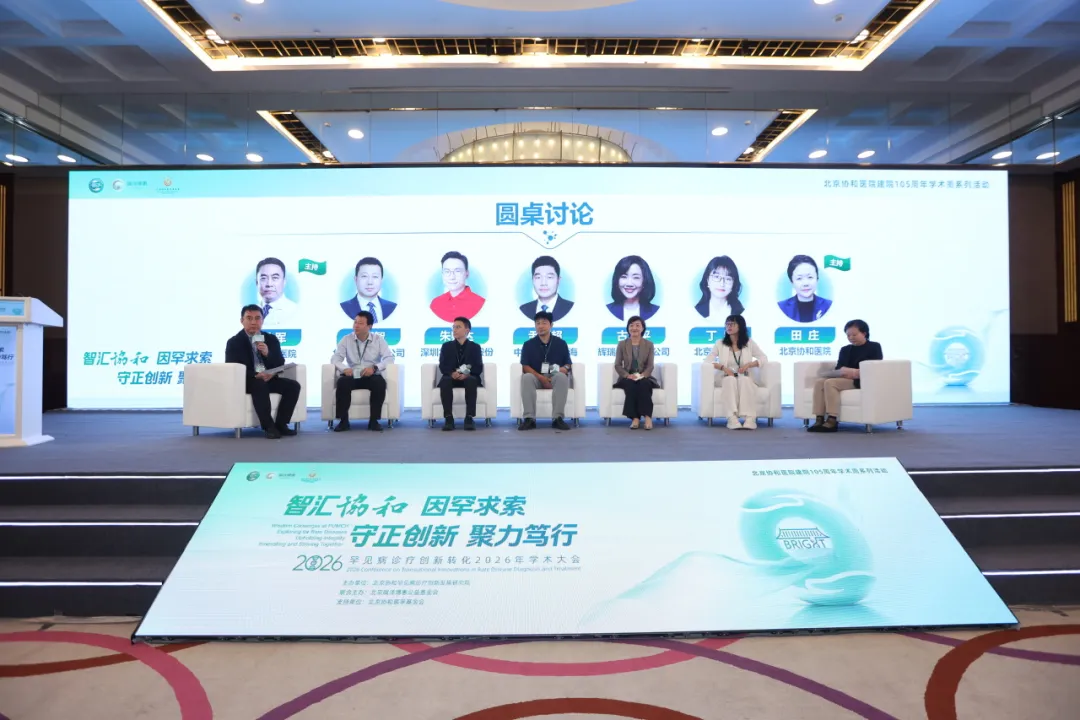
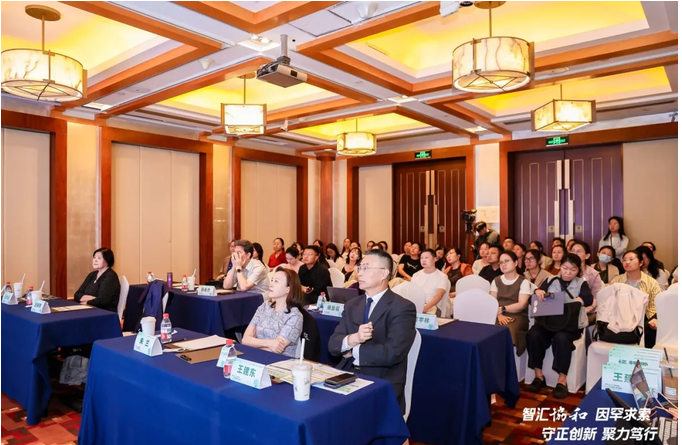
The conference also featured five breakout sessions focused on clinical care, diagnostic imaging, AI empowerment, maternal and child health, and basic research, fostering vibrant academic exchanges among domestic and international experts.
Looking ahead, the PUMCH Innovation and Development Institute for Rare Disease Diagnosis and Treatment will build upon the hospital’s century-old clinical heritage to spearhead innovation in rare disease care. By optimizing the collaborative ecosystem linking government, industry, academia, research, and clinical application, the Institute will accelerate research translation, expand charitable aid, and build a stronger talent pipeline. These efforts will elevate standardized care nationwide, safeguard the lives of rare disease patients, and contribute PUMCH’s expertise to the Healthy China initiative.
As more rare disease patients are seen, diagnosed, and treated, the true pinnacle of medical excellence comes into sharper focus, reflecting a warmer, more compassionate society. Driven by collective dedication and focused resolve, China’s rare disease landscape is shifting from isolated breakthroughs to systematic advancement, and evolving from a medical community effort into a national strategy—bringing renewed hope to over 20 million patients and their families.