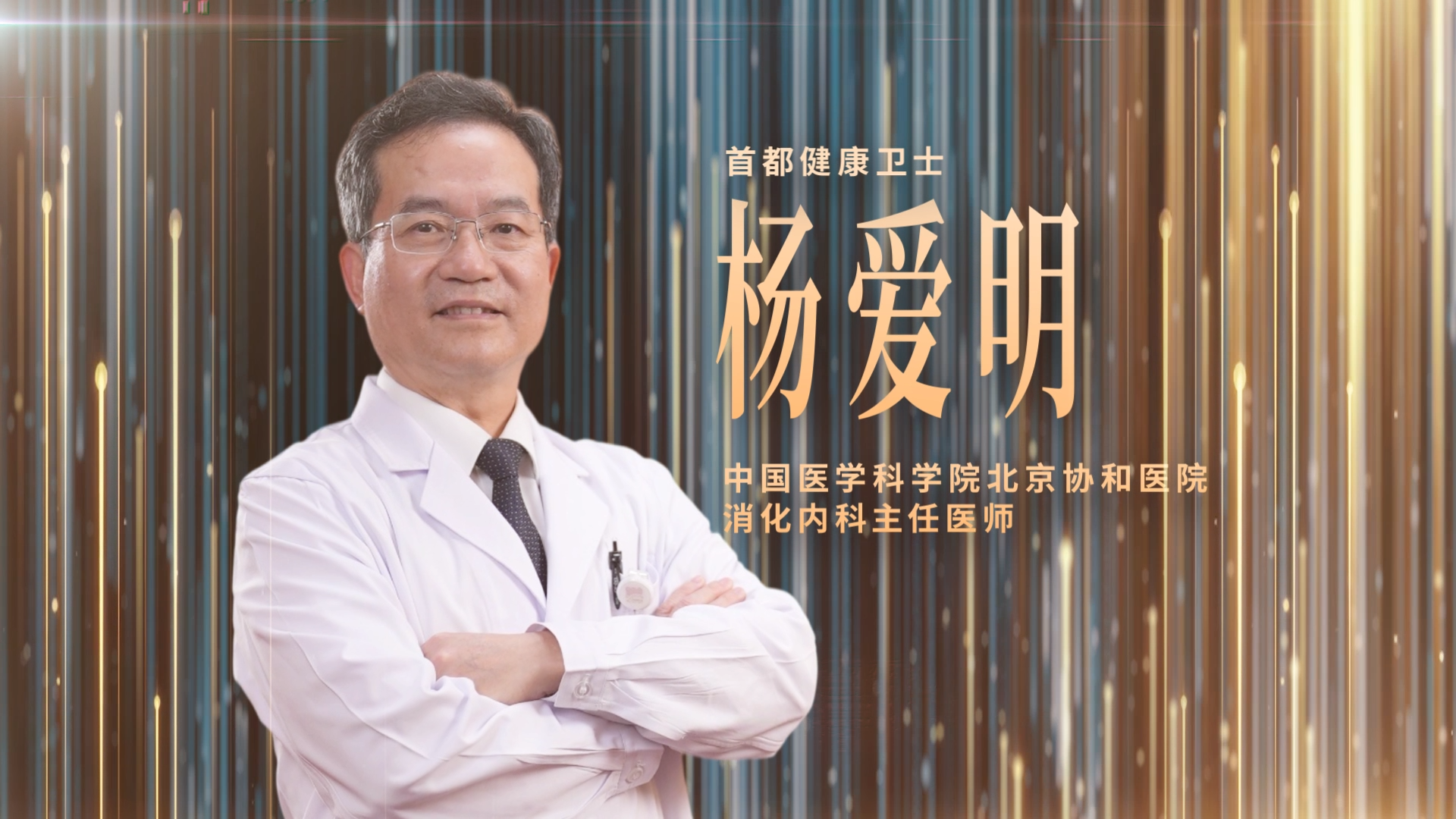
Yang Aiming, Director of the Department of Gastroenterology at Peking Union Medical College Hospital (PUMCH), can be aptly described as “a master of endoscopic innovation and a tireless advocate for public health”—two roles that define his career. He is the first physician in China to have simultaneously mastered two of the most advanced endoscopic techniques—endoscopic retrograde cholangiopancreatography (ERCP) and endoscopic ultrasound (EUS). Under his leadership, his team has raised the early gastric cancer detection rate from 5% to over 40%, matching international standards. Beyond the operating room, he has leveraged his medical expertise to advance public health policy as a member of the Chinese People's Political Consultative Conference, championing the use of serving chopsticks that has touched the lives of 1.4 billion people. Over 37 years devoted to endoscopic endeavors, Yang has combined clinical excellence with unwavering commitment to public welfare. Join us as we trace Yang Aiming's remarkable journey—a commitment to clinical innovation, discipline advancement and unwavering dedication to patients and public health.
ERCP and EUS: The twin pinnacles of endoscopic mastery
ERCP stands as the pinnacle of endoscopic techniques. Operating within a pancreatic duct only 1–2 millimeters in diameter is like “painting on a snowflake”, demanding extraordinary precision.
A patient with acute pancreatitis had endured two open abdominal surgeries, only to develop pancreatic duct rupture, pancreatic fistula, abdominal infection, and severe malnutrition. With eight drainage tubes inserted, he had been unable to eat for two months and was gripped by the fear of another surgery. When he finally came to PUMCH, Yang, after a multidisciplinary consultation, decided on a different solution: ERCP with pancreatic stent placement. In just 30 minutes, Yang successfully placed a stent to bridge the pancreatic duct rupture, redirecting pancreatic secretions back to their normal pathway and significantly reducing the risk of further complications. For Yang, procedures of such complexity are routine.
In the early 1990s, when EUS was virtually unknown in China, the young Yang Aiming already completed systematic training in Japan and Germany. Upon his return, he embarked on a series of pioneering work, beginning with straightforward gastrointestinal anatomy and progressively advancing to the more complex territories of the pancreas and biliary tract. He was among the first endoscopists in China to master both ERCP and EUS simultaneously.
A patient presented with biliary obstruction following bile duct surgery: was it tumor recurrence or benign scar stricture? Yang first deployed EUS to investigate, ruling out malignancy and confirming the diagnosis as benign scar-related stricture. He then immediately proceeded with ERCP to relieve the blockage. In a single procedure, he had simultaneously diagnosed and treated the condition, pioneering what would become known as the "EUS-ERCP integrated approach" in China. Yang later led the development of the world's first international consensus on the EUS-ERCP integrated management of pancreaticobiliary diseases, establishing China's leadership in this field.
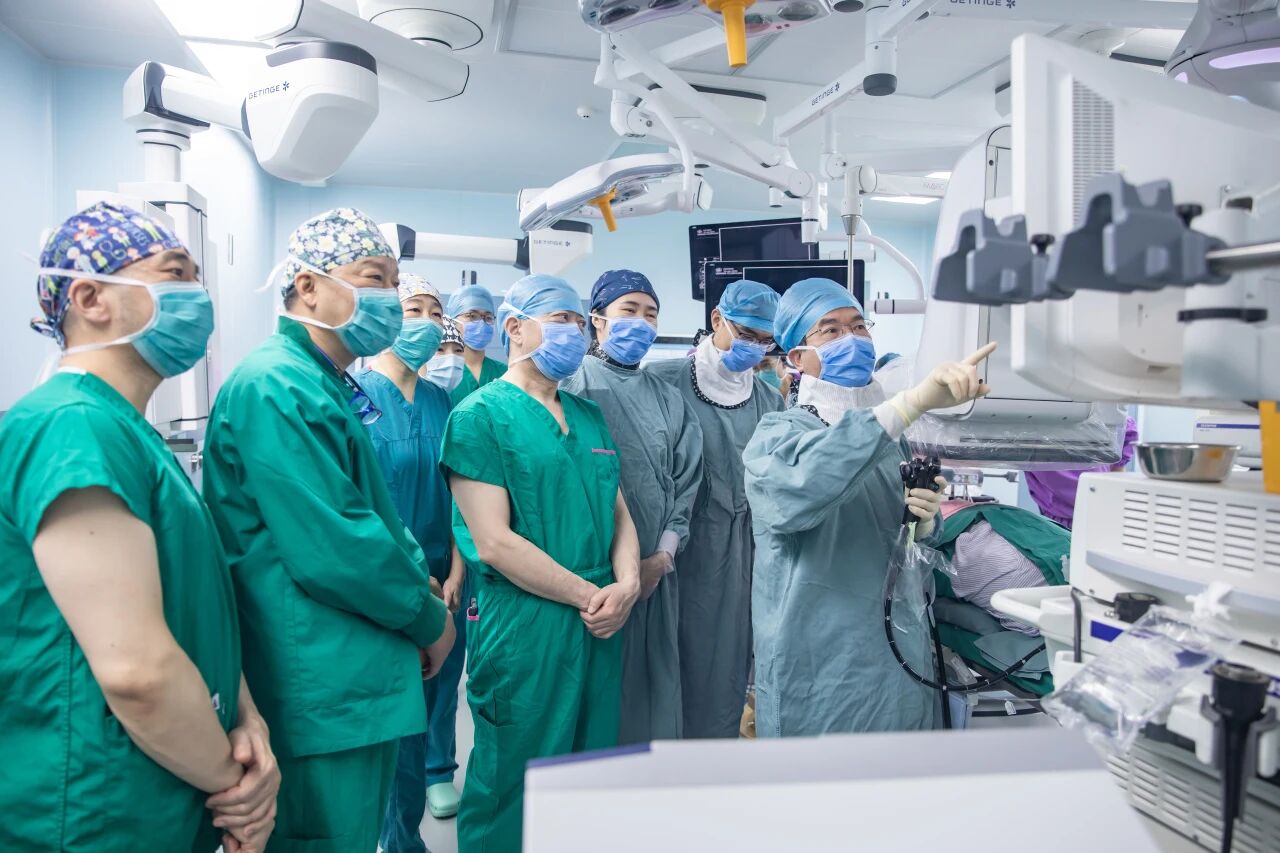
▲Yang Aiming (first on the right) performs the first ERCP procedure in the smart operating room of Peking Union Medical College Hospital
From early detection to early intervention: Pioneering endoscopic removal of early gastric cancer
China accounts for 44.5% of global gastric cancer cases, a sobering reality that led Yang to a critical insight: the solution lies in early detection and early intervention.
Under Yang's leadership, his team raised the early gastric cancer detection rate from 5% to over 40%, matching international standards. Beyond improved detection, they pioneered endoscopic submucosal dissection (ESD) in China, an important technique for treating early-stage gastric tumors.
A patient from Dalian presented a particularly daunting case: his tumor was located at the pyloric canal angulation—anatomically one of the most challenging sites for endoscopic intervention due to the tight space, awkward angles, and thin tissue walls. The patient went to great lengths to bring in a renowned Japanese expert. Once the procedure began, the Japanese surgeon quickly recognized it exceeded safe endoscopic limits and withdrew. The patient then turned to Yang. "If we resort to open surgery, we need to remove a significant portion of the stomach—a decision that would profoundly affect your quality of life," Yang explained. To spare the patient from that, he decided to attempt what others had deemed impossible. The patient said with gratitude: "Even if you cannot remove it completely, I will accept the outcome."
That trust fueled Yang’s determination to take on the impossible. With superb skill, Yang succeeded—he removed the tumor completely through a minimally invasive endoscopic approach while preserving the entire stomach.
"Today, an early gastric cancer surgery can be completed in as little as 40 minutes," Yang said. Since 2006, he and his team have performed nearly 2,000 such procedures.
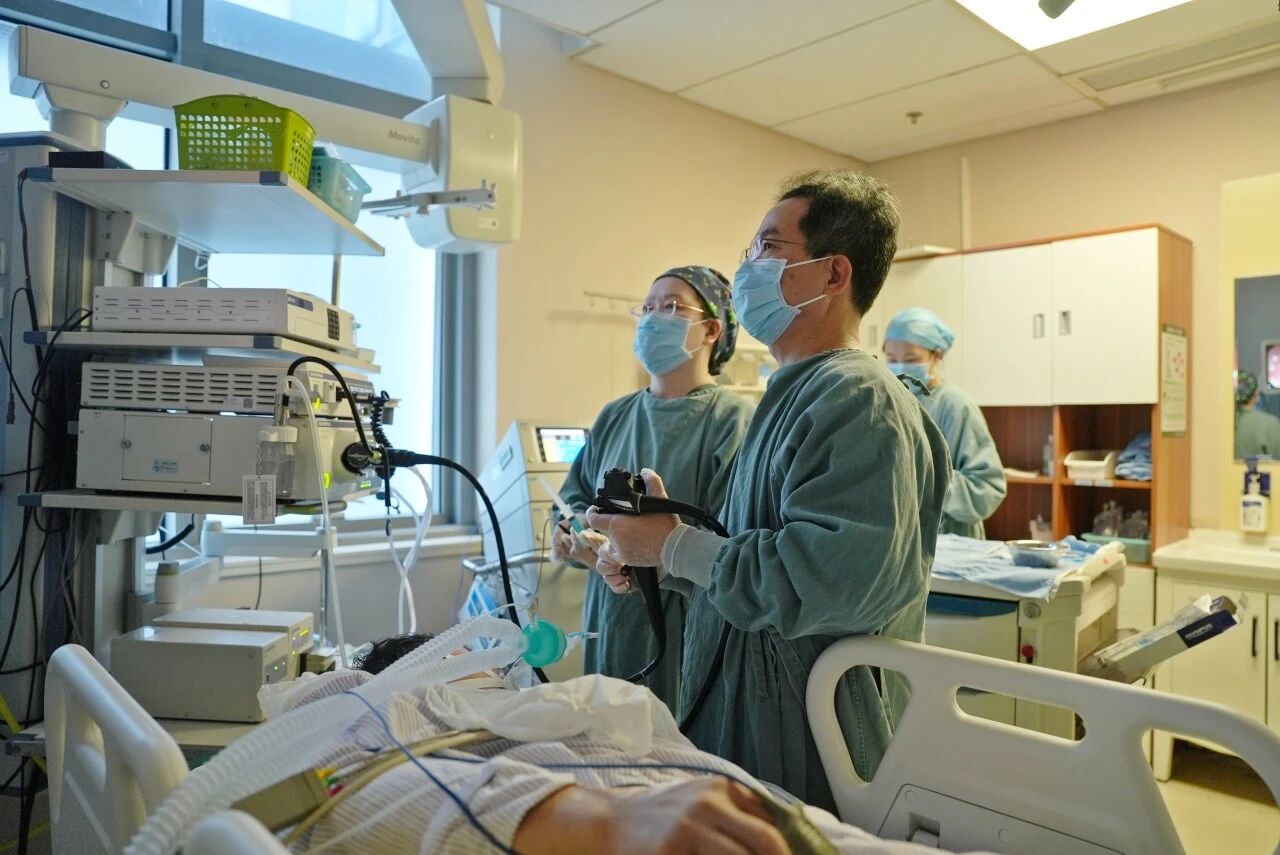
▲Yang Aiming performs gastroscopy in the examination room
Small utensils, big impact: A proposal that touched 1.4 billion people
Walk into restaurants across China today and you'll notice something that has quietly become standard: a second set of utensils—serving chopsticks and spoons—placed alongside each dish. This shift in dining practice, now ubiquitous across the country, traces back to a proposal Yang, a member of the Chinese People's Political Consultative Conference, submitted to China’s 2024 “National Two Sessions”.
Helicobacter pylori—a major driver of gastric cancer—has an infection rate of 72.3% in China, and transmission occurs through shared dining utensils. Deeply aware of the gravity of these numbers, Yang proposed administrative action be taken to promote widespread adoption of separate serving utensils at all public dining venues, even specifying that serving chopsticks should be distinctly longer and colored differently than personal utensils to prevent confusion. His proposal “Mandatory Provision of Serving Chopsticks and Other Shared Utensils at Public Dining Venues” was formally accepted and registered for further review.
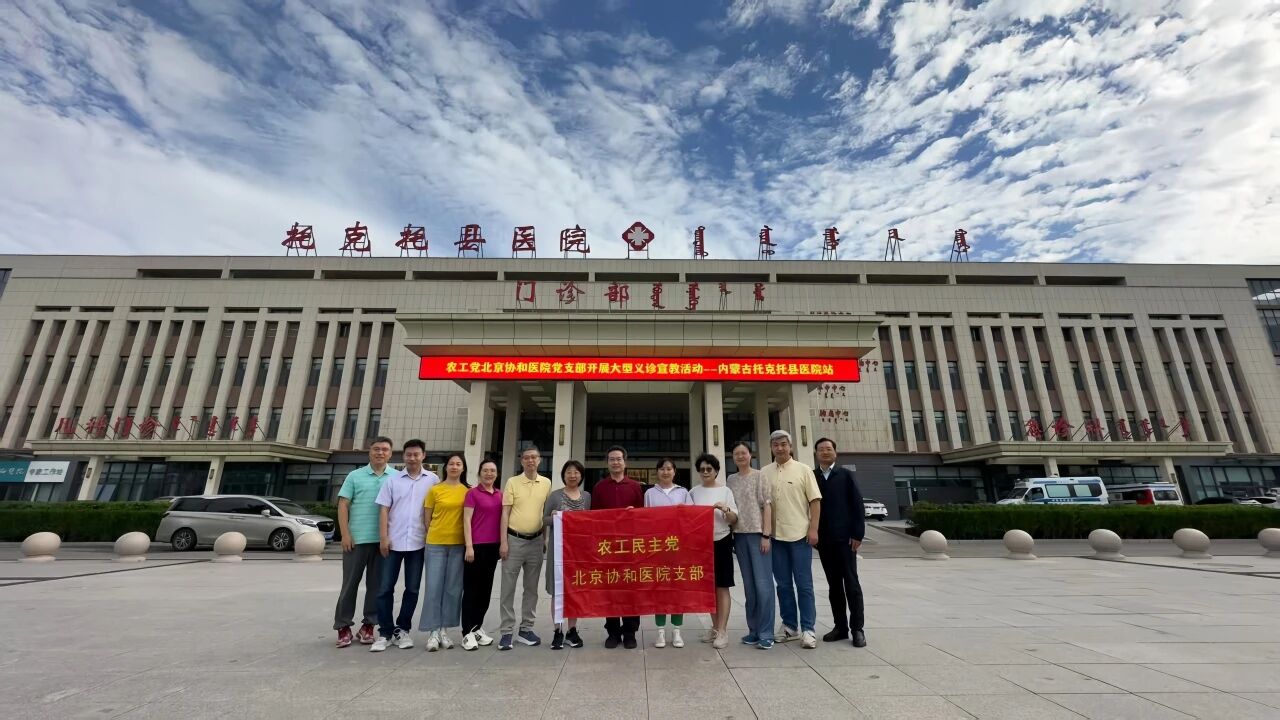
▲Member of the National Committee of the CPPCC Yang Aiming (seventh from the left) leads the PUMCH Branch of the Chinese Peasants' and Workers' Democratic Party in conducting free medical consultation and health education activities at Tuoketuo County Hospital, Inner Mongolia Autonomous Region
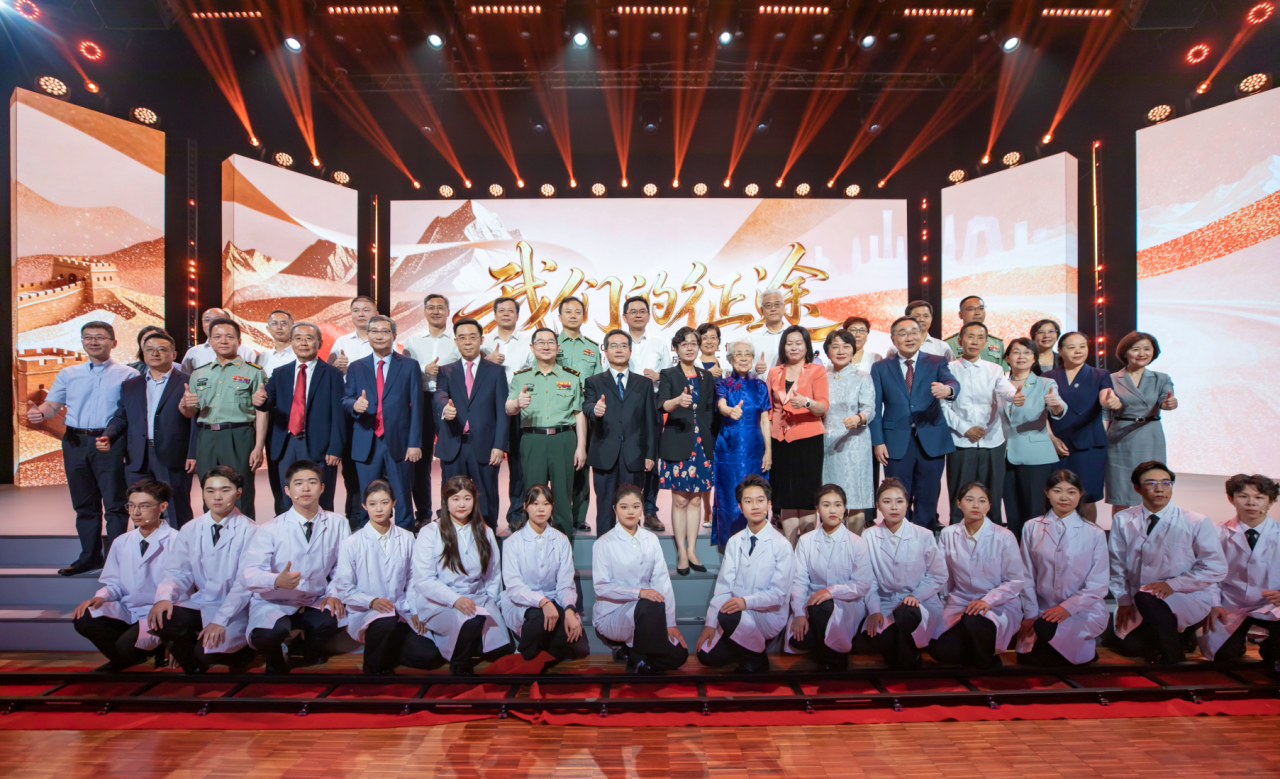
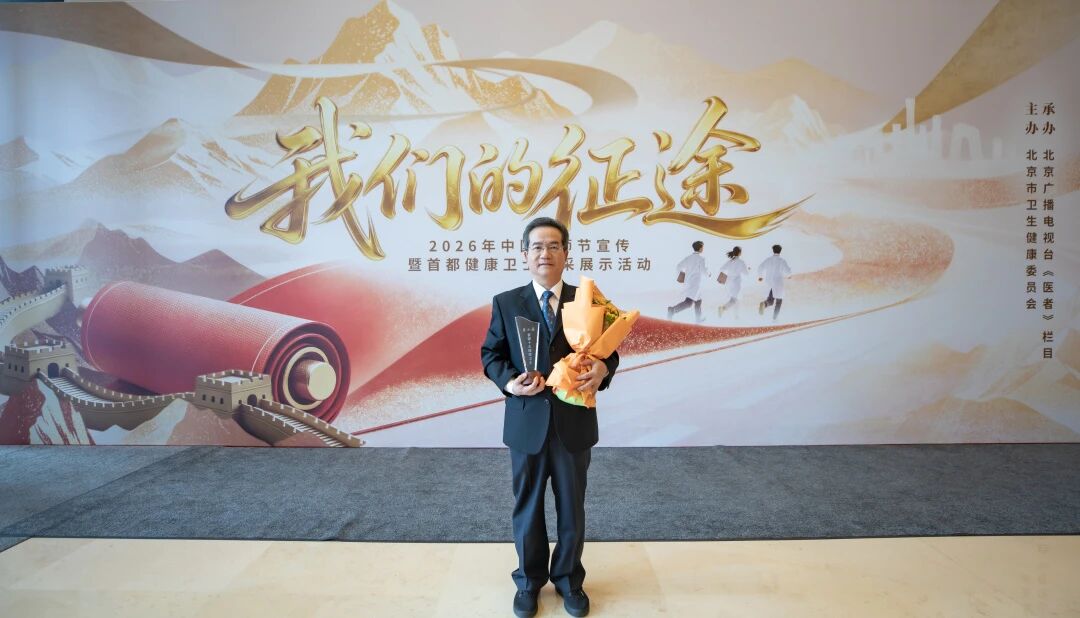
Celebrate Chinese Doctors’ Day 2026 and Praise Public Health Champions of the Capital City

Written by Chen Xiao and Duan Wenli
Video by Zhang Yunfei, Ye Xiaolin and Dong Jingge
Pictures courtesy of Sun Liang and Beijing Radio & Television Station
Edited by Wang Lu
Chief editor Duan Wenli
Supervised by Wu Peixin