On August 19, 2026—the 9th Chinese Doctors’ Day—Peking Union Medical College Hospital (PUMCH) celebrated two major milestones: the 16th anniversary of its Center for Complex, Severe and Rare Diseases and the 1st anniversary of the newly inaugurated facility for the Center. To mark the occasion, a multidisciplinary team (MDT) working conference was held at the Center on the 8th floor of the Outpatient Building on Dongdan Campus. Honorary President Academician Zhao Yupei, President Zhang Shuyang, Vice President Wu Peixin and other hospital leadership members gathered with representatives from 55 specialized MDTs to review the 16-year journey of multidisciplinary collaboration and chart a new course for the diagnosis and treatment of complex and critical conditions.
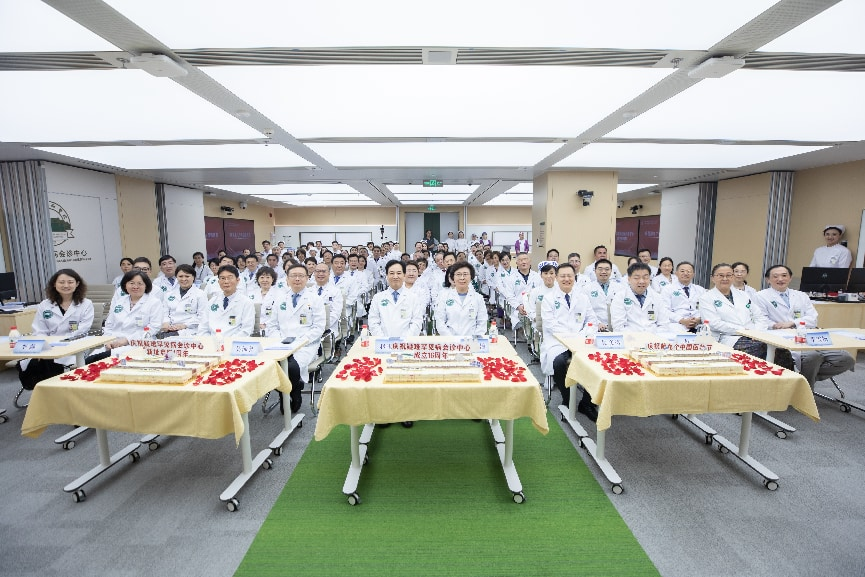
"When doctors go the extra mile, patients can be spared needless suffering." In 2010, Academician Zhao Yupei spearheaded the establishment of the MDT for pancreatic complex diseases, China’s first MDT for complex diseases. Breaking down departmental barriers, the pancreatic MDT brought together experts from over ten disciplines including surgery, internal medicine, imaging, pathology, and radiotherapy to formulate personalized and comprehensive treatment plans and offer one-stop care for patients. This pioneering move set in motion China's MDT journey from "isolated exploration" to "systemic maturity."

▲The MDT for pancreatic complex diseases
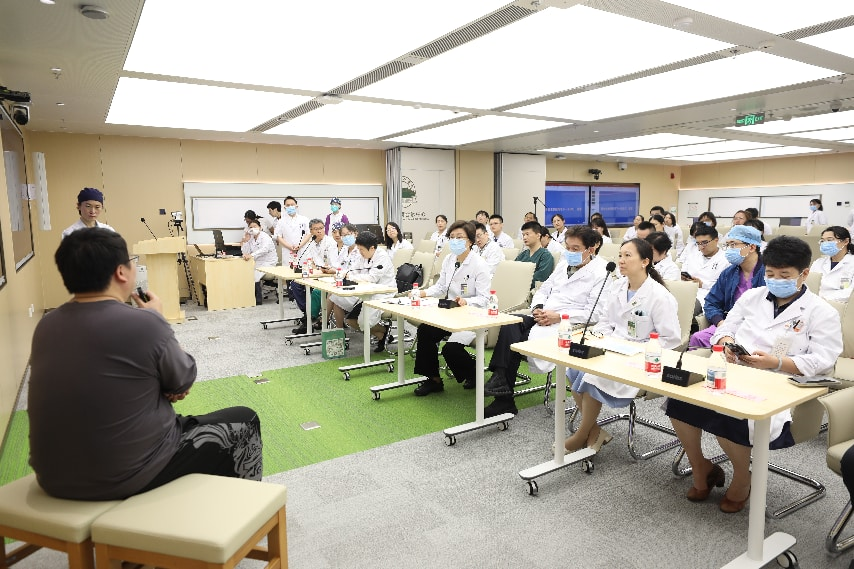
▲The MDT for rare diseases
Over the past 16 years, PUMCH’s MDT model has evolved by leaps and bounds, expanding from 1 to 55 MDTs. To accommodate this growth, the Center transitioned from a modest consultation room into a 550-square-meter facility featuring five dedicated consultation rooms inaugurated in 2025. Today, the Center brings together 900 experts with deputy senior or above professional titles from 60 clinical departments, who have completed over 5,000 multidisciplinary sessions for over 20,000 patients. PUMCH is the national guiding center for the diagnosis and treatment of complex, severe, and rare diseases, and its MDTs uphold the core mission of public tertiary hospitals by prioritizing the most critical and challenging cases. In doing so, it has substantially shortened the diagnostic journey for patients, effectively easing their medical burdens.
From intra-hospital collaboration to national leadership, the reach of PUMCH’s MDTs has long extended far beyond a single consultation room. In 2019, the hospital became the sole national leading unit for the National Rare Diseases Collaborative Network, which has now expanded to 419 member hospitals nationwide. Every Thursday at noon, the rare disease MDT case discussion is live-streamed nationwide, drawing over a hundred hospitals and thousands of online viewers per session. On this platform, the average time to diagnosis for rare diseases has been drastically shortened from four years to less than four weeks. Behind these numbers are transformed lives and countless families spared the agony of prolonged, uncertain illnesses.
Academician Zhao Yupei emphasized that PUMCH, in the absence of mature models to follow, has charted an innovative and pioneering path. This achievement is rooted in three sources: the profound medical expertise and traditions passed down through generations, the steadfast leadership and unwavering support of successive administrations, and the close collaboration across all departments and disciplines. Looking ahead, what sustains PUMCH is not only clinical excellence, but also the founding mission that successive generations have held dear: to place patients at the center of all we do. The public trusts PUMCH as their ultimate beacon of hope. That deep trust demands us to be worthy of their faith—a responsibility we carry in every generation.
President Zhang Shuyang articulated three expectations: First, to honor the founding mission by strengthening MDT quality standards and establishing rigorous and comprehensive consultation quality control, ensuring every case withstands critical scrutiny. Second, to further hone PUMCH's expertise in the diagnosis and treatment of complex, severe and rare diseases, thereby continuously elevating PUMCH’s standing; to that end, platforms such as the National Facility for Translational Medicine (PUMCH) and the State Key Laboratory of Complex, Severe and Rare Diseases should be fully leveraged to further align clinical practice and scientific research. Third, to train versatile medical professionals through collaborative practice, helping them break free from narrow specialty silos and cultivate the comprehensive clinical insight characteristic of PUMCH.
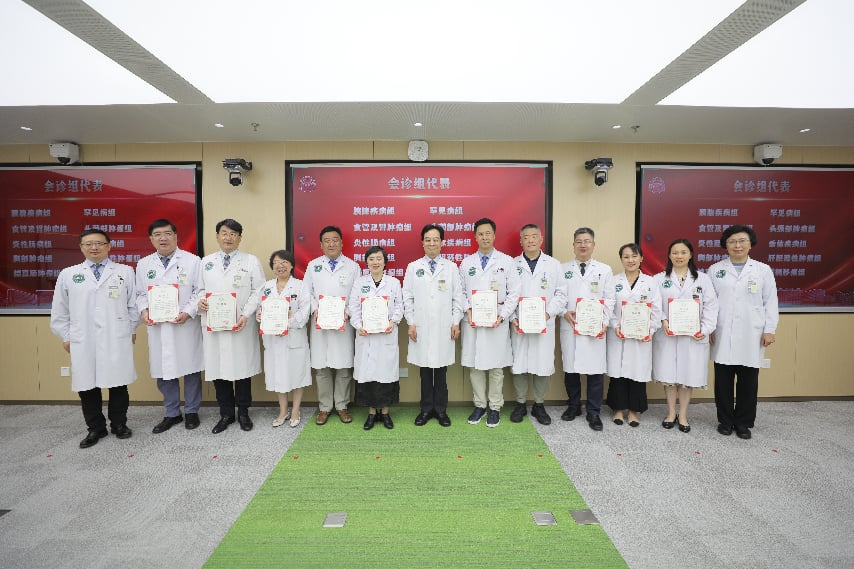
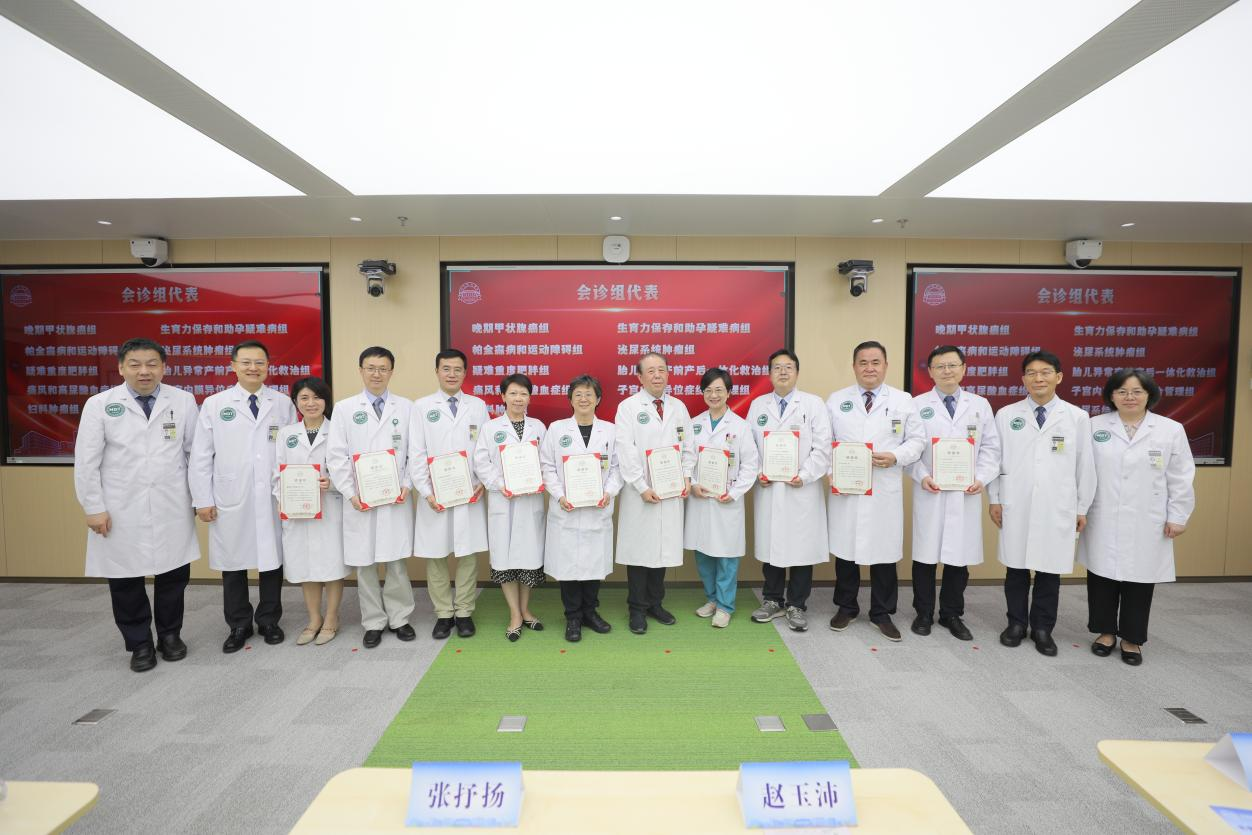
▲Hospital leadership presented certificates of appreciation to representatives of 20 MDTs
During the meeting, Chen Limeng, Director of the Department of Nephrology, Wang Weibin, Director of the Department of General Surgery; and Yao Yong, Director of the Pituitary Disease Innovative Diagnosis and Treatment Center, shared their practical experiences in MDT for rare, pancreatic and pituitary diseases, respectively. Quality is the bedrock of MDTs. The hospital has established a comprehensive MDT management framework spanning five dimensions—organizational structure, admission criteria, workflow continuity, doctor and patient consensus, and quality control. Enhanced by AI integration, this framework weaves pre-consultation information validation, human-machine collaboration during consultation, and post-consultation closed-loop follow-up into a seamless continuum. This has transformed MDTs from "multiple experts serving one patient" into a systemic practice of "multiple experts serving multiple patients."
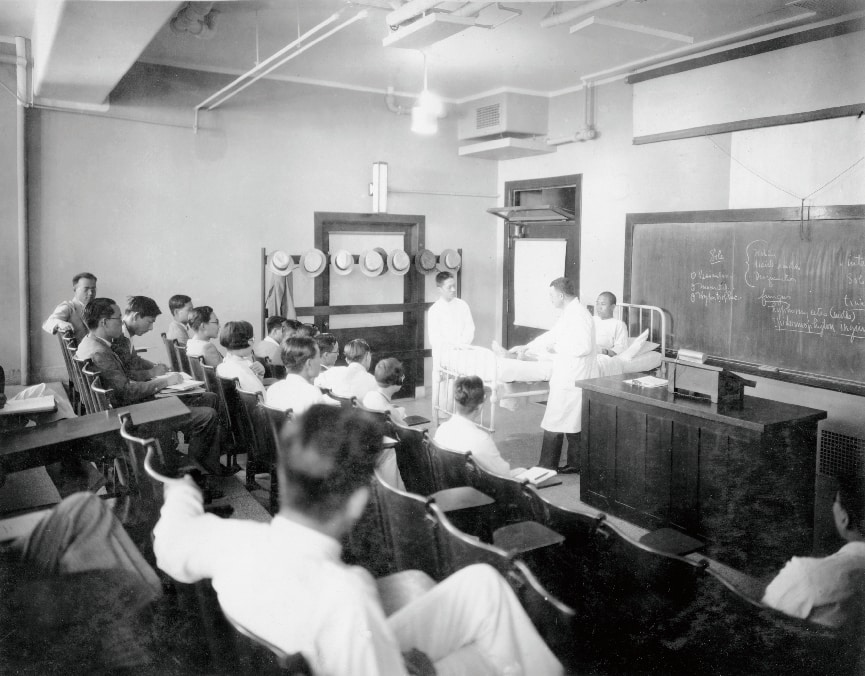
▲Grand round captured by an old photo (in Classroom 223, Old Building No. 10)
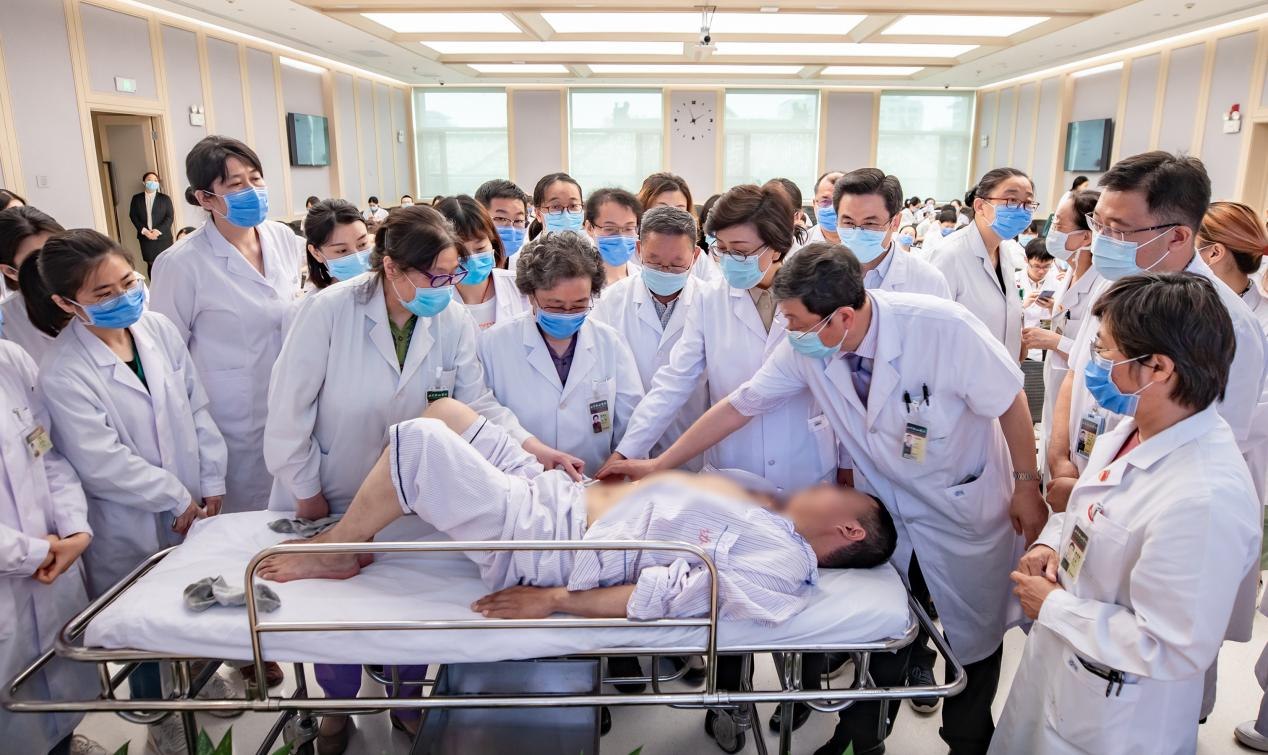
▲Internal medicine grand rounds have been passed down since the hospital’s founding, serving as the ultimate classroom for cultivating clinical thinking (in the multifunctional hall on the 4th floor of Internal Medicine Building)
Sixteen years mark both a milestone and a new beginning. Over a century—from the grand rounds tradition at the hospital's founding to today's institutionalized multidisciplinary care, PUMCH has been wrestling with the fundamental question: When patients place their lives in the hands of healers, how should they respond with collaboration, urgency, and compassion?
The answer unfolds in every consultation room, across the 419 collaborative network hospitals nationwide, and in the medical records of over 20,000 patients who have rekindled hope. Generation after generation of PUMCH physicians have answered that question by marrying moral integrity with clinical excellence, each bringing both virtue and supreme skill to honor the ultimate trust placed in them.
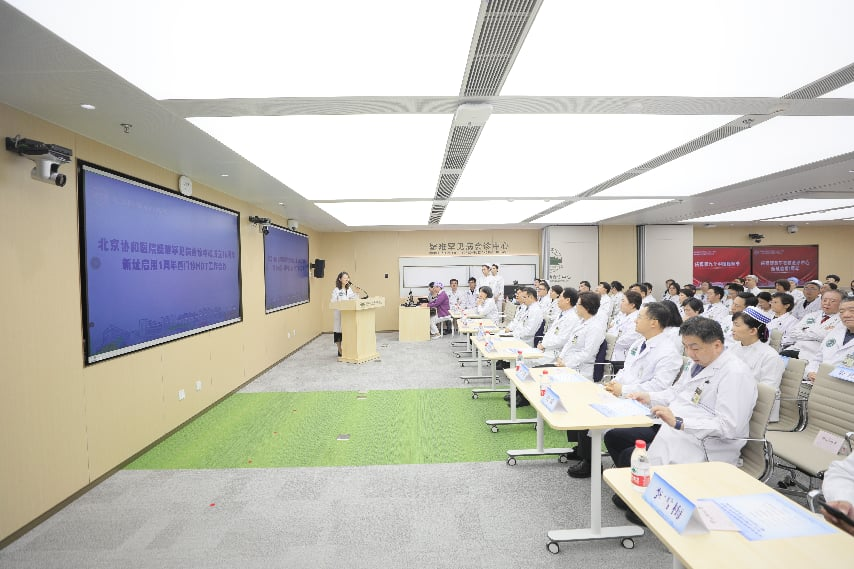
▲Attendance at the event
Written by Chen Xiao
Pictures courtesy of the Publicity Department
Edited by Xiao Xiong
Chief editor Duan Wenli
Supervised by Wu Peixin