
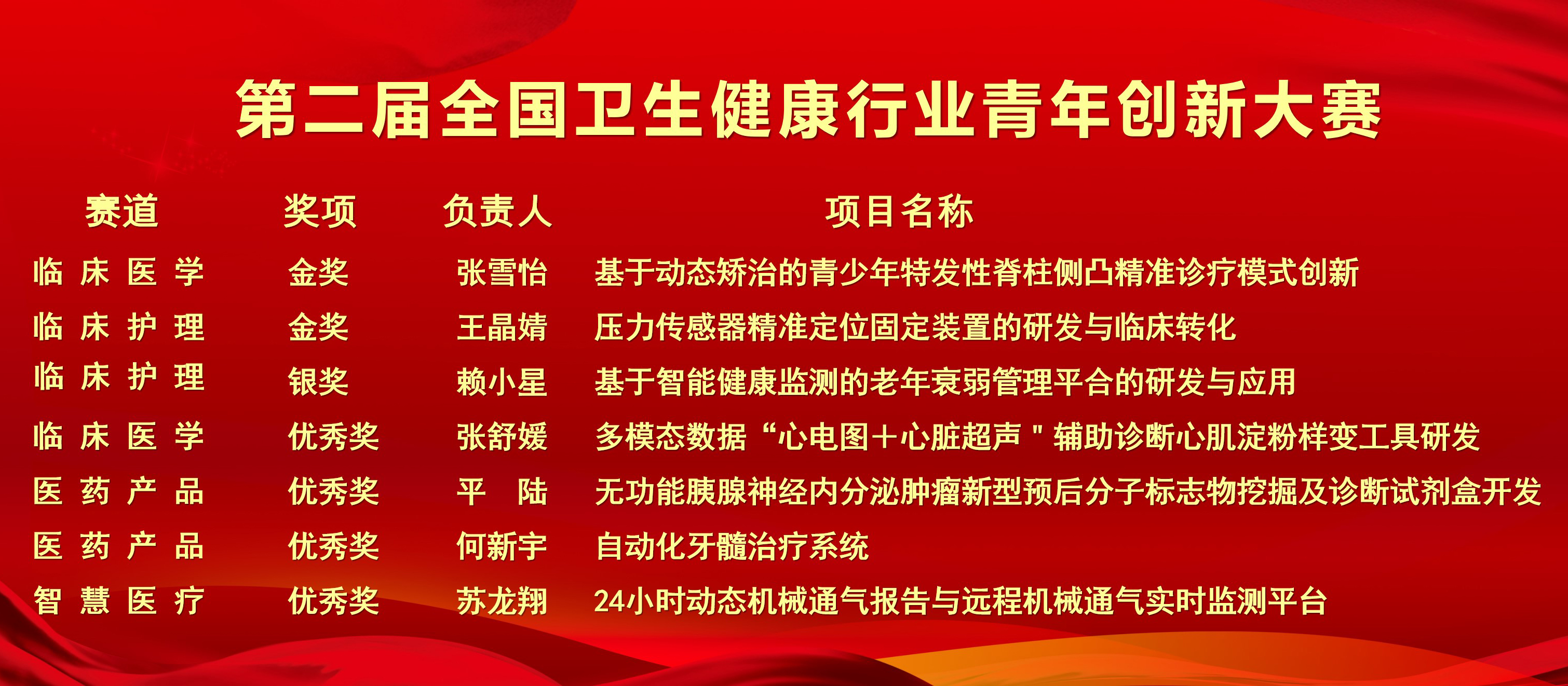
Results have been announced for the 2nd National Youth Innovation Competition in Health, jointly organized by the National Health Commission and the Central Committee of the Communist Youth League. Young medical professionals from PUMCH stood out among 3,632 entries, taking home 2 gold awards, 1 silver award, and 4 excellence awards, a testament to their commendable work at the intersection of scientific innovation, clinical value, and broader social impact.
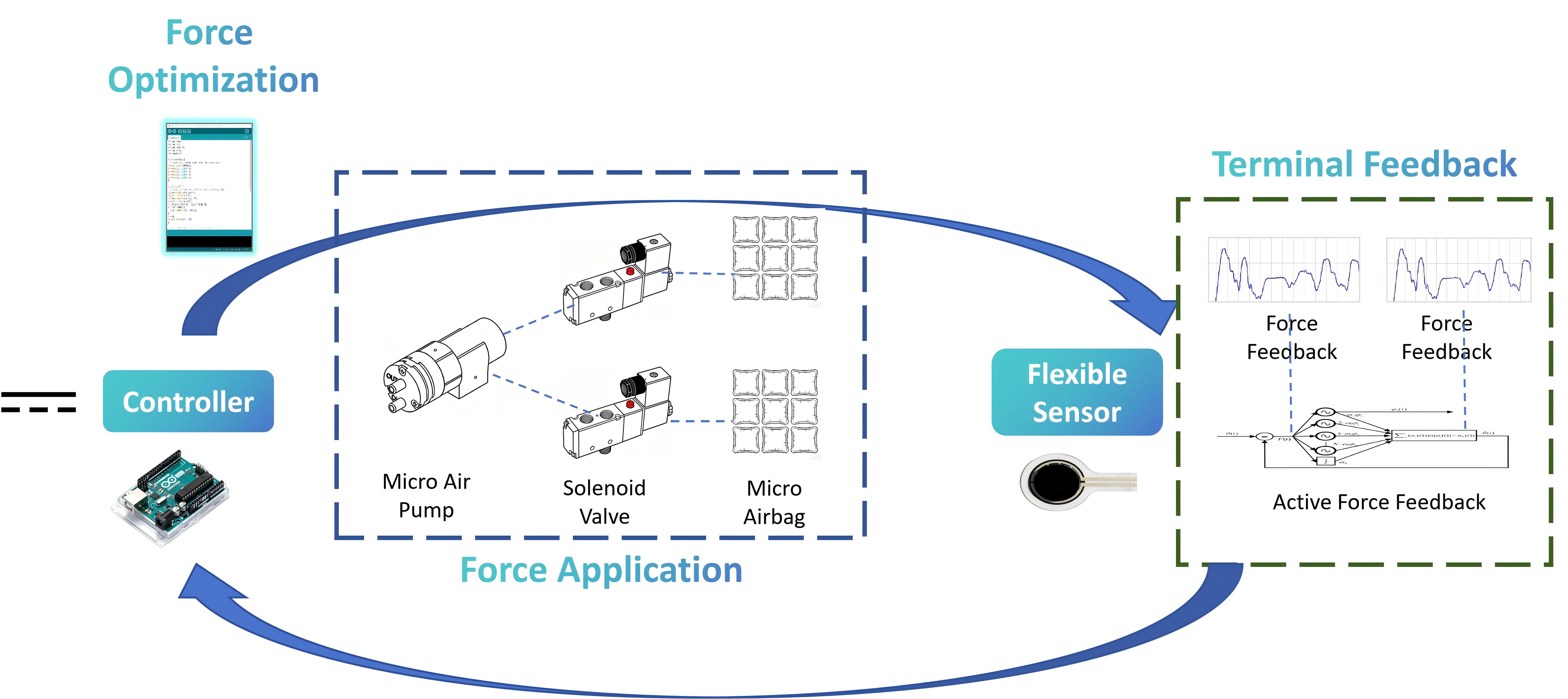
Traditional braces used in the long-term management of adolescent idiopathic scoliosis are prone to losing corrective force and shifting out of position as patients grow and their spinal geometry changes. To address this, a team led by Zhang Xueyi, Assistant Researcher at PUMCH's Department of Scientific Research, drew on spinal biomechanics research to develop a new theory of "dynamically adaptive" correction. The result is a novel wearable intelligent rehabilitation device that upgrades the conventional "passive fixation" brace into an "active response" smart correction system, operating through a closed-loop "monitoring–feedback–adjustment" pressure management cycle. This marks a fundamental shift in corrective approaches from periodic brace replacement to real-time dynamic response. The project has been granted multiple national invention patents. Properly administered brace treatment can help avoid or delay surgical intervention in mild-to-moderate cases, reducing overall healthcare costs. The design also cuts down on brace replacements driven by spinal growth, easing the ongoing financial burden on patients and their families.
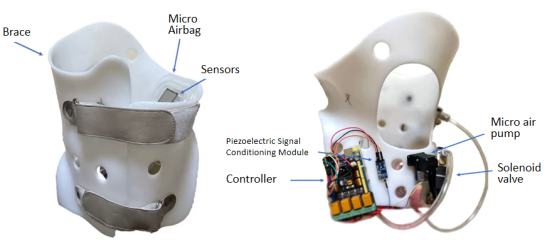
▲Model of the adjustable smart brace
Wang Jingjing, an intermediate-level nurse in the Department of Cardiology, and her team identified a recurring problem in invasive blood pressure monitoring: inaccurate or inconsistently positioned pressure transducers were introducing data errors and complicating clinical workflows. The team addressed this by applying laser level technology to improve transducer positioning, an integrated design that dramatically streamlines the process. A cross-laser emitter projects a scanning line parallel to the horizon, allowing users to locate the correct position quickly and intuitively. The device significantly reduces the time spent on repeated intraoperative zeroing, improves the accuracy of hemodynamic data, and has been particularly valuable in the diagnosis and management of pulmonary arterial hypertension. Clinical staff response has been highly positive. The device has received a national utility model patent, won first prize at the 7th China Medical Device Innovation and Entrepreneurship Competition, among other accolades. It has entered the commercialization stage and is already in use in PUMCH and several other medical institutions.
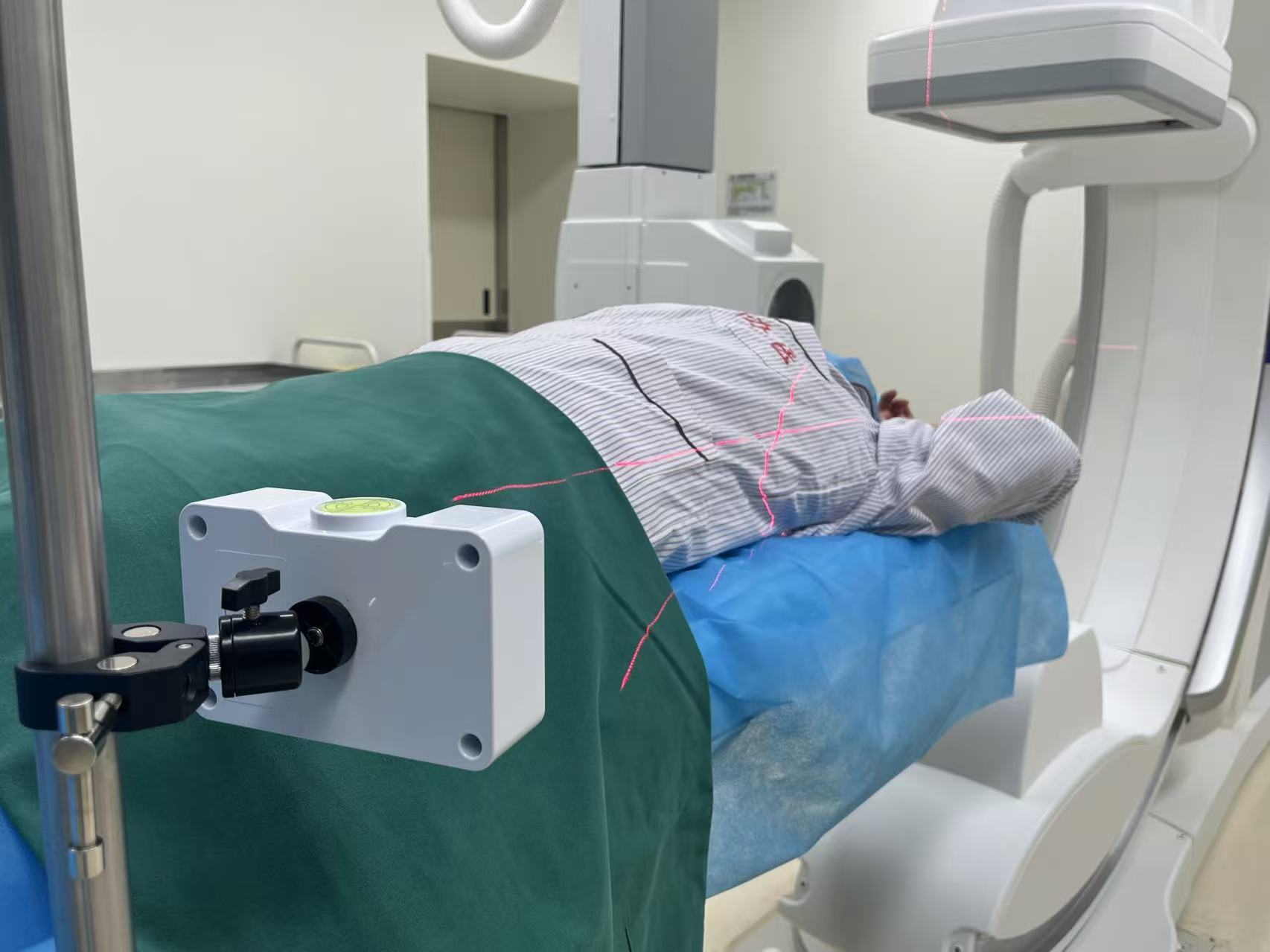
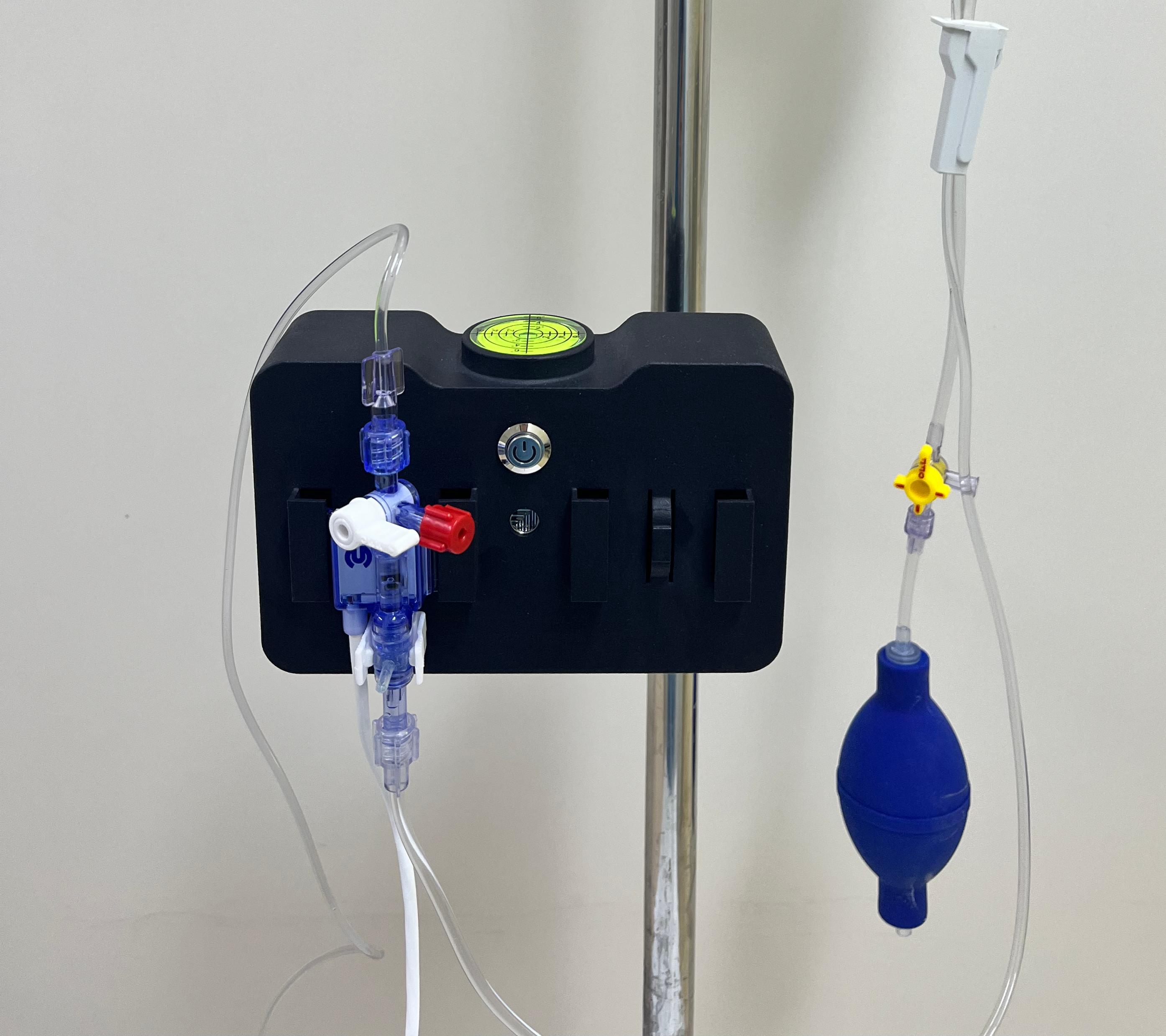
▲The pressure transducer device in clinical use
A team led by Lai Xiaoxing, Associate Chief Nurse in the Department of Neurology, developed an intelligent health monitoring platform for the comprehensive management of frailty in older adults, covering the full care continuum from identification and assessment to intervention and follow-up. Integrating both hardware and software, the platform uses physiological and motion sensors alongside dedicated testing equipment to objectively and conveniently measure a range of indicators — vital signs, body composition, grip strength, gait speed, and cognitive function. Once physiological data is collected, the platform automatically performs AI-driven data fusion and multimodal feature extraction, enabling precise, evidence-based decisions on frailty screening and intervention, and providing older patients with evidence-based health management support. The project has been granted a national invention patent and registered software copyright. As the first solution of its kind in China that also stands at the cutting edge of global frailty care, the platform is designed for deployment across hospitals, eldercare facilities, and community health settings alike.
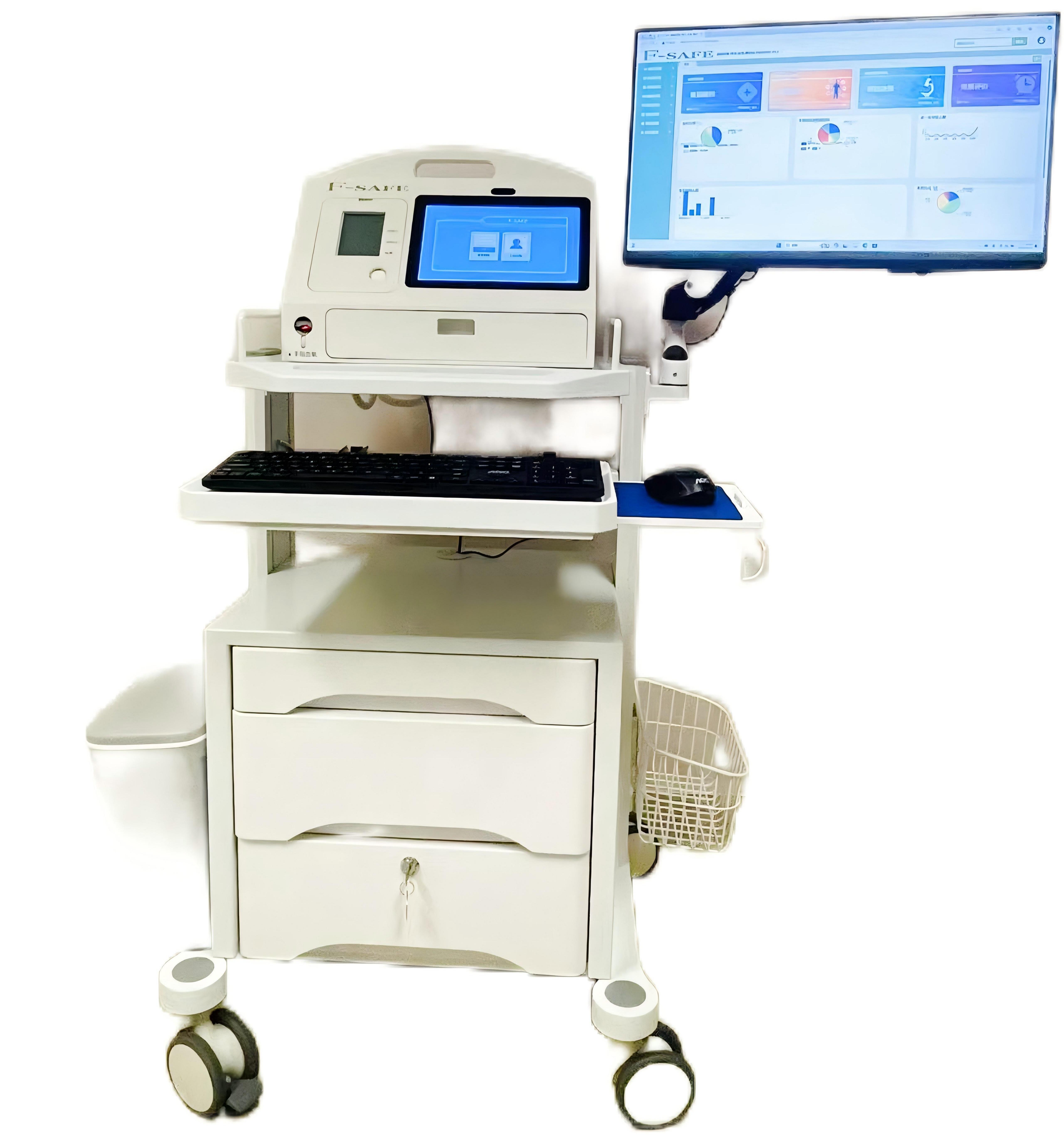
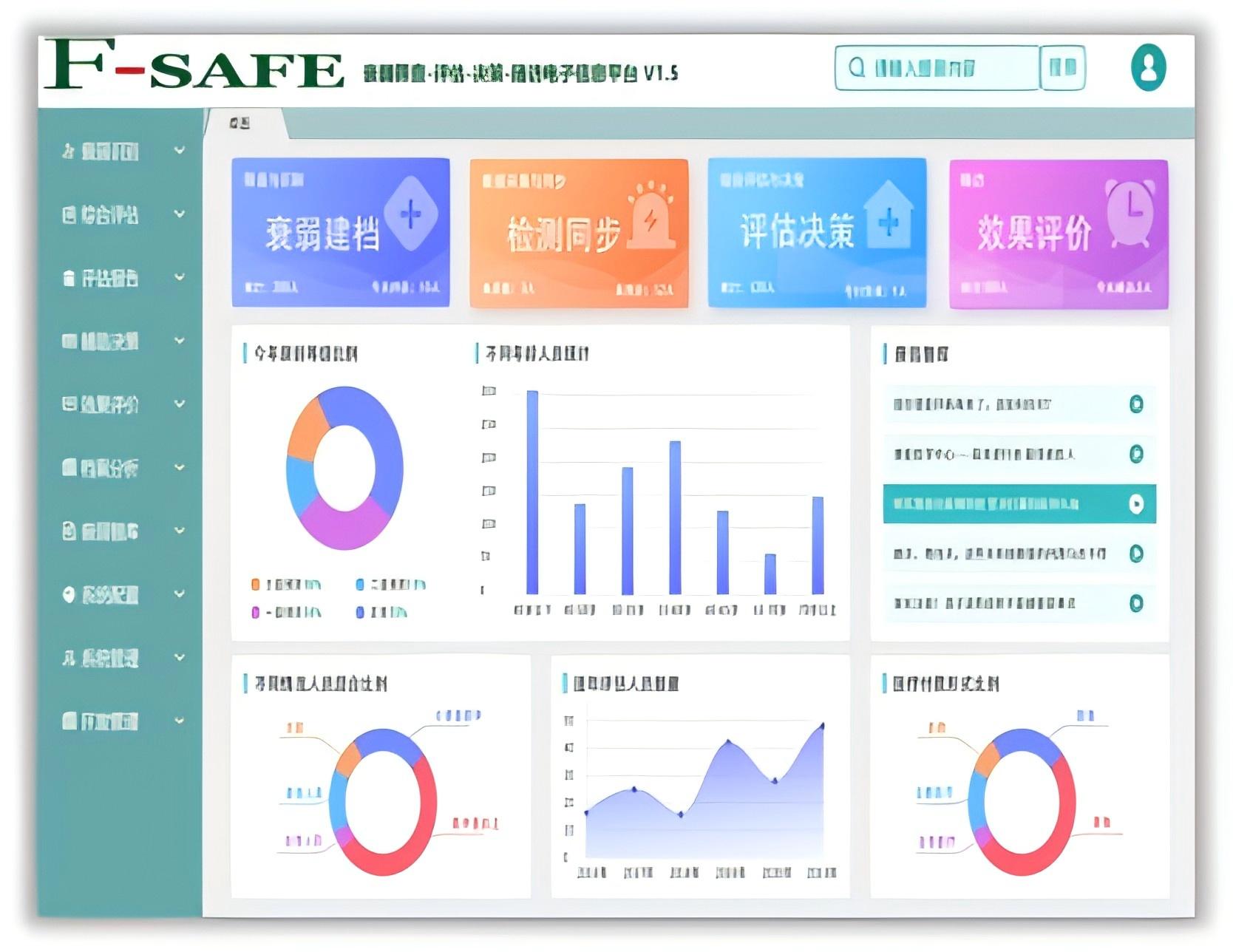
▲The frailty management platform hardware and user interface
Compiled by the PUMCH Publicity Department, the Central Committee of the Communist Youth League & Youth Development Department, and the PUMCH Department of Scientific Research